What usually appears
Motor: steady head when held upright, rolls from tummy to back (4 to 5 months) then the reverse, reaches and grasps toys with the whole palm, passes objects hand to hand towards 6 months, and bears weight on the legs when held standing.
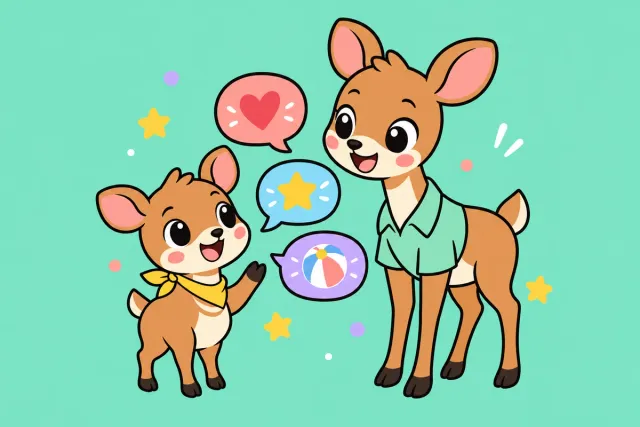
Language: laughs out loud (4 months), babbles with long vowels, starts adding consonants (“ba”, “ga”) around 6 months, takes turns “chatting” with you.
Social-emotional: recognises parents, smiles spontaneously, shows likes and dislikes, begins to tell strangers apart.
Cognitive: brings everything to the mouth to explore, looks for a dropped object, is fascinated by mirrors.
How to support it
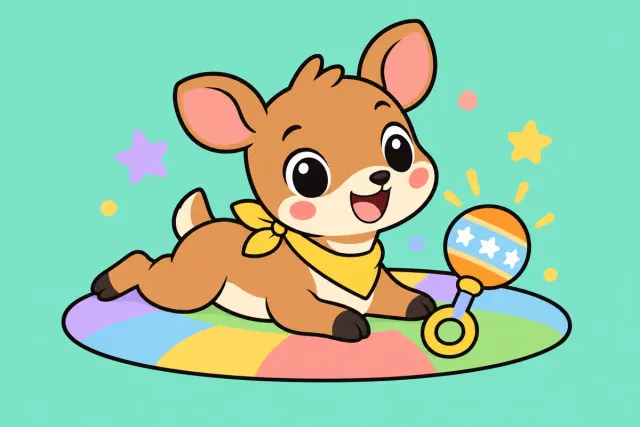
Easy-to-hold, safe-to-chew toys, peekaboo, cloth books, and longer tummy time. At 6 months most babies are ready for solids.
When to be alert
At 6 months: does not roll in either direction, does not reach for objects, does not laugh or vocalise, shows no affection for caregivers, or the head still lags when pulled to sit.
CDC milestones at 4 months
The CDC "Learn the Signs. Act Early." checklist (2022 revision) for 4 months, grouped by area.
Social/Emotional
- Smiles on their own to get your attention
- Chuckles (not yet a full laugh) when you try to make them laugh
- Looks at you, moves, or makes sounds to get or keep your attention
Language/Communication
- Makes sounds like “oooo”, “aahh” (cooing)
- Makes sounds back when you talk to them
- Turns head towards the sound of your voice
Cognitive
- If hungry, opens mouth when they see breast or bottle
- Looks at their hands with interest
Movement/Physical
- Holds head steady without support when you are holding them
- Holds a toy when you put it in their hand
- Uses their arm to swing at toys
- Brings hands to mouth
- Pushes up onto elbows/forearms when on tummy